Phase 1: Preparation
Before starting the Scorch Protocol, you must get your body ready. Think of this as “turning on the lights” before the deep work begins. This phase involves testing your baseline health, fixing major deficiencies, and choosing the right diet to support your fast.
Are You Ready to Start?
Blood Tests Done:Have you tested your Thyroid (TSH, Free T3, Free T4), Complete Blood Count (CBC), Metabolic Panel, Vitamin D, B12, Iron, Ferritin, and Cortisol? This tells you what you are working with. (It is not required for all these tests, in fact with most people we go off of symptoms only — not everyone has access to tests).
Body Temperature:Is your waking body temperature (taken before getting out of bed) below 36.5°C (98°F)? If yes, you almost certainly need T3 therapy as part of your preparation. (Please see body temp chart under T3 therapy section)
Liver Health:Are your liver enzymes (AST, ALT) within a normal range? A stressed liver makes fasting more dangerous. If they are high, prioritize liver support first. (Sometimes powerful extended fasting is enough to fix a fatty, dysfunctional liver, but if you have liver issues it is good to do some liver therapies and binding)
Medications:Are you on any medications, especially ones that are hard on the kidneys or liver? Some medications make fasting dangerous or impossible. Use A.I. to scan your medication list and ask which ones are the worst for liver health, which ones have a long half-life, and which ones have the worst withdrawal.
Step 1: Baseline Testing
You cannot fix what you cannot measure. Get these tests done before starting:
| Test | Why It Matters |
|---|
| Thyroid Panel | TSH, Free T3, Free T4. A low T3 or high TSH means your metabolism is suppressed, a key target of the protocol. |
| Complete Blood Count (CBC) | Checks for anemia, infection, and immune system status. Low white blood cells or hemoglobin can make fasting risky. |
| Metabolic Panel | Checks kidney and liver function. Your kidneys will be working hard during a dry fast, so they must be healthy. |
| Vitamin D & B12 | Severe deficiencies in these can cause fatigue, nerve damage, and immune failure. Fix these before fasting. |
| Ferritin / Iron | Low iron (anemia) causes fatigue and makes fasting much harder. Your body needs iron to transport oxygen during healing. |
| Morning Cortisol | Low cortisol (adrenal fatigue) is very common in chronic illness. It affects how well your body handles stress, including fasting. |
Step 2: Fix Critical Deficiencies
Based on your test results, address these common deficiencies. Do not start the fast with known, severe deficiencies, as your body will not respond well.
Priority Supplements Before Fasting
Vitamin D3 + K2:If your Vitamin D is below 40 ng/mL, supplement aggressively (often 5,000–10,000 IU/day with K2) for at least 4–8 weeks before your fast.
B12 (Methylcobalamin):Critical for nerve function and energy. Low B12 is extremely common in chronic illness. Sublingual B12 is absorbed better than pills.
Magnesium (Glycinate or Malate):Most people are deficient. Magnesium is involved in hundreds of enzymatic reactions and is critical for proper insulin function and sleep.
Potassium:Ensure adequate intake from food (avocado, coconut water, fruit) before fasting. Low potassium during a dry fast can affect the heart.
Step 3: Dietary Preparation
What you eat in the weeks before the fast significantly affects how your body responds to it.
Option A: Ketogenic Pre-Fast Diet (Recommended for Sick Patients)
If you are dealing with significant chronic illness, fatigue, or have failed previous fasting attempts: eat a strict ketogenic diet (high-fat, very low carb) for 4–8 weeks before your fast. This trains your body to burn fat efficiently, making the transition into dry fasting much smoother. It also reduces inflammation and improves insulin sensitivity before you begin.
Option B: Standard Pre-Fast Approach (For Healthier Individuals)
If you are relatively healthy and doing a shorter fast (36–72 hours): a strict ketogenic diet for just 3–5 days before starting is sufficient. This depletes glycogen stores and puts your body into a mild ketogenic state, reducing the difficulty of the first 24 hours of the dry fast.
Step 4: Mental Preparation
Setting Your Intention
Write Down Your Why:Before you start, write down exactly why you are doing this. On day 2 or 3, when it feels hardest, you will need to revisit this.
Inform Your Support System:Tell someone you trust that you are doing this fast. For fasts over 72 hours, arrange daily check-ins with this person.
Clear Your Schedule:The fast works best when you can fully rest. Try to schedule it during a period where you have minimal responsibilities. This is not the time for work deadlines or social obligations.
Prepare Your Environment:Stock up on coconut water and soft foods for the refeed. Prepare a cool, comfortable space to rest. Remove temptations.
Step 5: Colon Cleanse (2 Days Before the Fast)
Magnesium Citrate Cleanse: Starting 2 Days Before the Fast
One of the most underrated preparation steps is clearing out the colon before you begin. A full colon during a dry fast means your body is dealing with rotting material in a sealed environment, which is extra toxin load during a time when you want nothing pulling your immune system in the wrong direction. A clean colon means a cleaner, more productive fast.
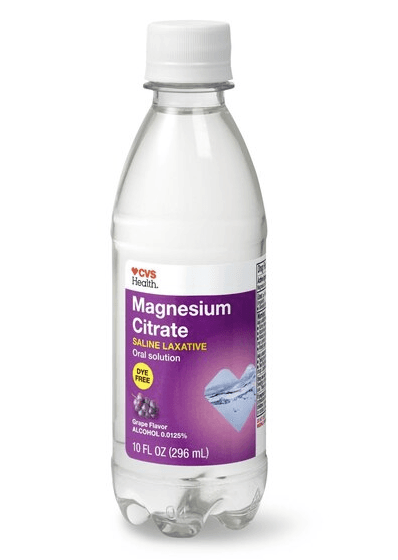
Standard magnesium citrate laxative, available at CVS and most pharmacies
What to Use:A standard magnesium citrate laxative, the kind sold at CVS for colonoscopy prep. One bottle of the liquid is the typical dose. Magnesium citrate pills also work but you will need a significant number of them (follow the label for equivalent dosing). Either way, take every dose with a large amount of water.
How to Do It:Follow the same protocol used for colonoscopy preparation. Take your magnesium citrate dose with a full glass of water, then keep drinking water throughout. The goal is to fully flush the colon, which typically takes several hours. Do not fight the process; let your body clear everything out.
Timing: 2 Days Before the FastStart the cleanse 2 days before you begin the fast. This gives you the following day to rehydrate and replenish electrolytes before entering the dry fast. Magnesium citrate is aggressively dehydrating, so do not go straight from the cleanse into a dry fast without this recovery window.
The 2-Day Window: Rehydrate and ReplenishAfter taking the laxative, spend the next 1–2 days drinking water, fresh juices, and electrolytes. No fiber, fat, or protein during this period. Stick to water, juice (no pulp), broths, and electrolyte drinks only. You want your colon to remain empty and your body to be well-hydrated going into the fast. Think of it as a juice fast bridging you into the dry fast.
Why It Matters:A clean, empty colon going into the fast means less endotoxin recirculation, less digestive distraction for your immune system, and a higher-quality autophagic state throughout. You are already committing to something powerful. This preparation step costs almost nothing and meaningfully improves what your fast can accomplish.
Liver Support: TUDCA Over Liver FlushingI prefer several weeks of TUDCA supplementation over liver flushing protocols. TUDCA supports bile flow and liver cell integrity, and the extended window allows long-persisting medications and their active metabolites to begin clearing before the fast begins. This matters because drugs processed via the liver’s CYP450 enzyme system are often fat-soluble and accumulate in fatty tissues — and as you burn fat during the fast, those residues re-enter the bloodstream. Long-acting benzodiazepines (Diazepam, Librium), SSRIs like Prozac (whose norfluoxetine metabolite takes up to 5 weeks to wash out), antipsychotics like Vraylar (active metabolites persist 1–3 weeks), and cardiovascular drugs like Amiodarone (half-life up to 78 days) all fall into this category. Starting TUDCA weeks in advance, not days, gives your liver a meaningful head start before the added metabolic demands of fasting arrive.
Luke 4:1-2: “Jesus, full of the Holy Spirit, left the Jordan and was led by the Spirit into the wilderness, where for forty days he was tempted.”
Jesus did not enter the wilderness unprepared, and He did not go reluctantly. He went full of the Spirit, deliberately, led. As you prepare your body with blood tests, nutrients, and dietary changes, prepare your spirit too. What fears are you bringing in? What resentments are still fueling your inflammation? Unresolved bitterness and chronic fear manifest in the body as dysfunction. Forgive someone you have been holding onto. Not for them, but for the freedom of your own cells. The body heals faster when the spirit is at peace.
You were led here. Trust that.
Need Personalized Guidance?
What you get: Access to years of highly synthesized data, a personal researcher, coach, and someone who had severe ME/CFS, Long Covid all in one. You will also get personal help with acquiring medication.
Visit DryFastingClub.comThe information on this site describes a personal health protocol and is provided for educational purposes only. It is not medical advice. Consult a qualified physician before modifying your diet, fasting practice, or any medication regimen.